Author name: administrador

Call for contributions
Book Series “Higher Education. Linking Research, Policy and Practice”

Authors who submitted a proposal to the EAIR Forum 2026 are cordially invited to submit their proposal as a contribution to the seventh book volume that will be published in Summer 2027. The theme of the book will be in line with the theme of the forum: “Strengthening trust between higher education and society”

See more details

Call for contributions

Book Series “Higher Education. Linking Research, Policy and Practice”
Read More »

Travelling to Vilnius

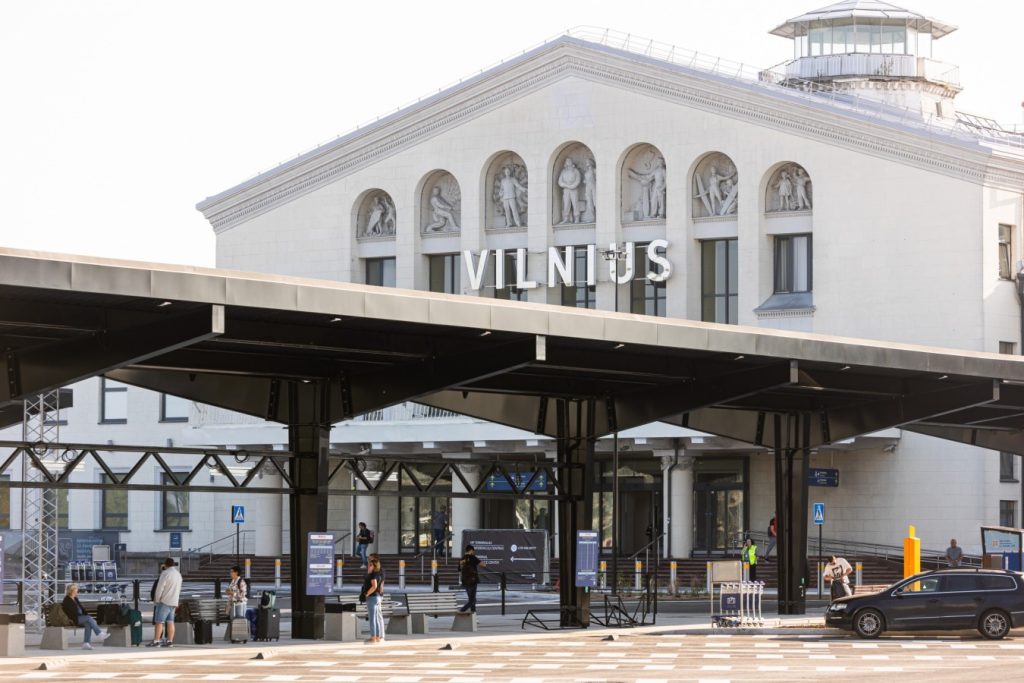
Currently, more than 15 airlines offer direct flights to 40+ destinations from Vilnius International Airport, with flight durations of 3 hours or less. Vilnius Airport is only a 15-minute taxi ride from the city centre. For more detailed information about the services provided at the airport, see www.vno.lt. It should be noted that Lithuania is part of the Schengen Area, and travellers from many countries can enter visa-free for short stays.

Vilnius is perfectly sized for getting around. Even if you have a house or apartment on the outskirts, the centre is only a short 30-minute commute at most. The city also boasts a modern, integrated public transportation infrastructure, with trolley buses and buses connecting every corner of the city.

Continue reading

Travelling to Vilnius Read More »

Regional Research for a Global Audience: Academic Writing and Publishing

One-Day Summer School for PhD Students and Early Career Researchers

EAIR is pleased to support a one-day summer school for PhD students and early career researchers in the social sciences, hosted by Vilnius University on 25 August 2026. The summer school takes place immediately before the EAIR Forum 2026, which will be held in Vilnius from 26 to 28 August.

Continue reading

Regional Research for a Global Audience: Academic Writing and Publishing Read More »

Credits: Felix Schmale/TU Dortmund

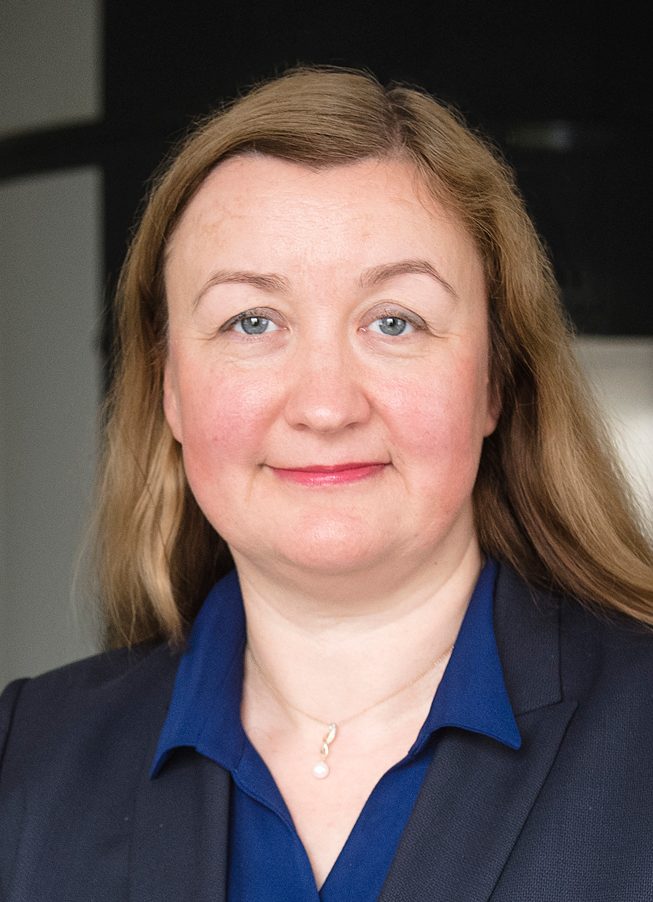
Welcome Message from EAIR’s New President, Prof. Liudvika Leišytė

Dear EAIR Members,

It is a great honour and joy to greet you for the first time as the new President of EAIR. Since its foundation in 1979, EAIR has grown into a vibrant international community where researchers, practitioners, and policymakers come together to connect research, policy, and practice in higher education.

I would like to thank you, our members, for your continued engagement and contributions — you are at the heart of EAIR. I also want to warmly thank the members of the Executive Committee for their tireless work, and I look forward to being in close contact with them as we continue to guide and strengthen our association together.

Continue reading

Welcome Message from EAIR’s New President, Prof. Liudvika Leišytė Read More »

Track 6. Evaluation in higher education

How is value redefined in the context of decreasing trust in higher education? How does recognition work in higher education today? How are evaluation regimes constructed in different higher education systems and what implications they have for the quality and the sense of worth of academics and students? What actors are included and excluded in the construction and enactment of evaluation regimes? Which purposes do quality assurance policies and practices in higher education serve and how does this influence trust in higher education?

Track 6. Evaluation in higher education Read More »

Track 5. Research policy

How do the current geopolitical and technological challenges impact the research conducted in higher education as well as interactions within the scientific community? What kind of ethical concerns do higher education institutions and academics need to consider in response to these challenges? What are the challenges and opportunities brought on by the use of AI in research? How are the emerging approaches to academic recognition and reward (DORA and CoARA) changing the future of research and higher education?

Track 5. Research policy Read More »

Track 4. Academic profession and professional development

What transformations of the academic profession can be observed both locally and globally? How do these transformations influence academics’ trust in their own profession and what role does professional development play in this regard? How does the changing nature of academic work impact the research–teaching nexus, faculty well-being, connection to society, work pressure, diversity, and professional autonomy? What policies and practices promote trust between the academic profession and society?

Track 4. Academic profession and professional development Read More »

Scroll to Top