












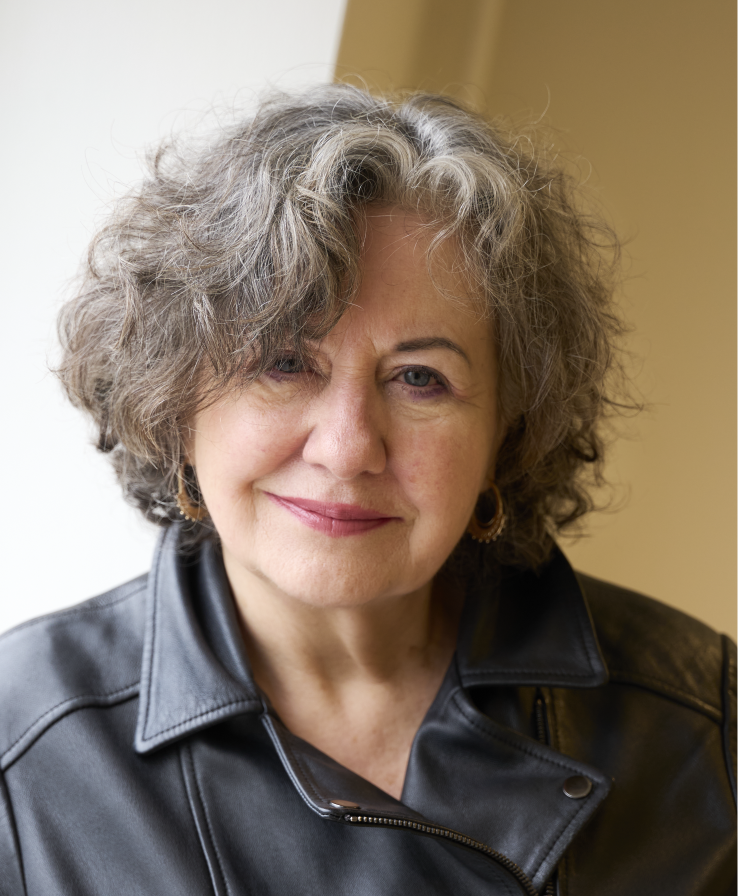
Michèle Lamont is Professor of Sociology and of African and African American Studies and the Robert I. Goldman Professor of European Studies at Harvard University. She is a cultural sociologist who studies morality, group boundaries, evaluation, and inequality. She has tackled topics such as dignity, respect, stigma, racism, and how we evaluate social worth across societies in Money, Morals and Manners, The Dignity of Working Men, Getting Respect: Responding to Stigma and Discrimination in the US, Brazil and Israel (co-authored), and Seeing Others: How Recognition Works and How It Can Heal a Divided World. She has made various contributions to the sociology of higher education and the sociology of knowledge, particularly in her 2009 book How Professors Think: Inside the Curious World of Academic Judgment. A Canadian by birth, she is the recipient of the Erasmus Award (2017) and the Kohli Prize for Sociology (2024), has served as President of the American Sociological Association, and is an elected member of the American Academy of Arts & Sciences, the American Philosophical Society, the British Academy, and the Royal Society of Canada.
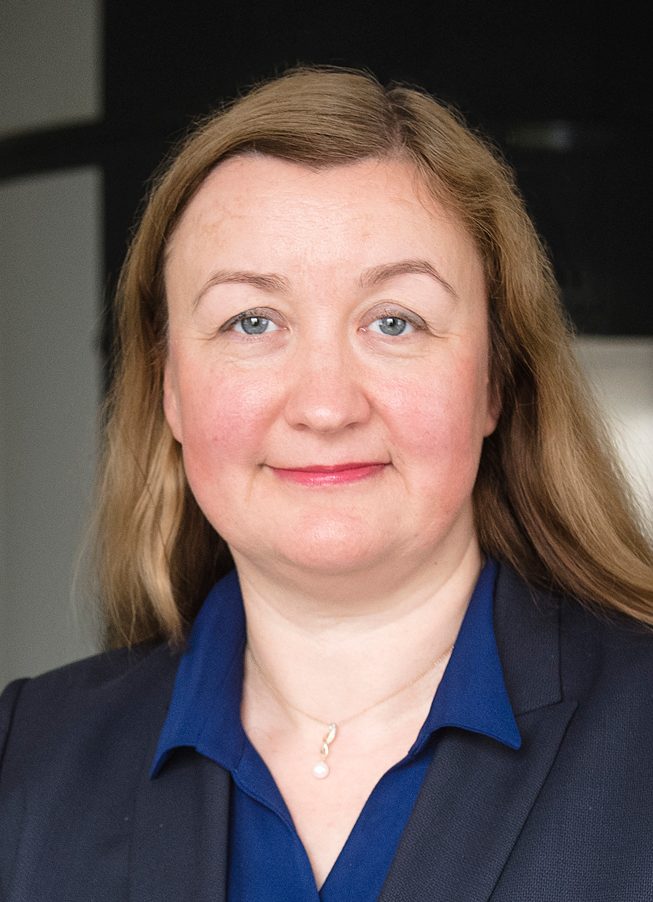
Liudvika Leišytė is Professor of Higher Education and Deputy Director at the Center for Higher Education (zhb) at TU Dortmund University. A scholar of institutional change and academic work, she studies university governance and management, academic profession, diversity and digital transformation across higher education systems. She has published seven (co-)edited books and special issues, including University Governance, Management and the Academic Profession (Springer, 2025), and numerous articles in leading journals such as Higher Education, Minerva, and Science and Public Policy.
A globally connected academic, she holds a PhD from the University of Twente, has held visiting professorships at Nagoya University, SciencesPo, and Stanford University and was a postdoctoral researcher at Harvard University. She currently serves as the President of the European Higher Education Society (EAIR). Prof. Leišytė is the recipient of the Emerald Literati Award (2018) and was elected to the Academia Europaea (Academy of Europe) in 2023. Her professional service includes advisory roles for accreditation agencies in Germany and Lithuania, Science Advice for Policy by European Academies (SAPEA) for the European Commission as well as editorial board positions with Higher Education Policy, Social Inclusion and Acta Paedagogica Vilnensia.
A globally connected academic, she holds a PhD from the University of Twente, has held visiting professorships at Nagoya University, SciencesPo, and Stanford University and was a postdoctoral researcher at Harvard University. She currently serves as the President of the European Higher Education Society (EAIR). Prof. Leišytė is the recipient of the Emerald Literati Award (2018) and was elected to the Academia Europaea (Academy of Europe) in 2023. Her professional service includes advisory roles for accreditation agencies in Germany and Lithuania, Science Advice for Policy by European Academies (SAPEA) for the European Commission as well as editorial board positions with Higher Education Policy, Social Inclusion and Acta Paedagogica Vilnensia.
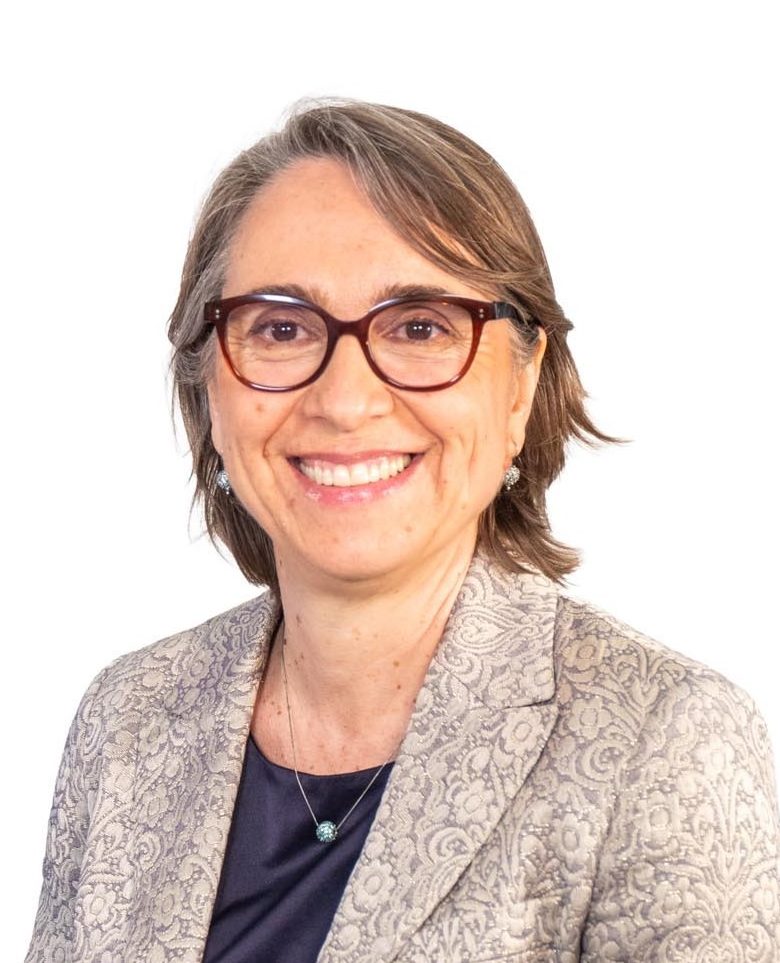
Cláudia Sarrico was born in Aveiro, Portugal, in 1971.
She holds a PhD in Industrial and Business Studies, specialising in Operational Research, from Warwick Business School, University of Warwick, and a degree in Industrial Engineering and Management from the University of Aveiro.
She is a Full Professor at the University of Minho, where she is a member of the Department of Management at the School of Economics, Management and Political Science. Previously, she was an Associate Professor at ISEG – Lisbon School of Economics & Management, University of Lisbon, and an Assistant Professor at the University of Aveiro.
Between 2015 and 2021, she served as a Higher Education Lead Analyst at the OECD – Organisation for Economic Co-operation and Development. From 2023 until taking office in the XXV Constitutional Government, she led the Research and Innovation Careers Observatory, a joint initiative of the European Commission and the OECD.
Her research interests focus on quality assurance and performance management in education, higher education and research.
She is the author and editor of several books and reports, including Promoting Diverse Career Pathways for Doctoral and Postdoctoral Researchers, Resourcing Higher Education: Challenges, Choices and Consequences, and Benchmarking Higher Education System Performance, published by the OECD.
She has published around 40 articles in international peer-reviewed journals, including Operations Research, European Journal of Operational Research, Journal of the Operational Research Society, Higher Education, Assessment and Evaluation in Higher Education, Journal of Higher Education Policy & Management, Research Policy, Research Evaluation, Public Management Review and Minerva.
She has acted as a consultant for national institutions, including the Agency for Assessment and Accreditation of Higher Education (A3ES), the Foundation for Science and Technology (FCT), EDULOG – Belmiro de Azevedo Foundation, the National Education Council, the Calouste Gulbenkian Foundation, the Francisco Manuel dos Santos Foundation, and SEDES – Association for Economic and Social Development, as well as for international organisations, including the European Commission and the OECD.
She holds a PhD in Industrial and Business Studies, specialising in Operational Research, from Warwick Business School, University of Warwick, and a degree in Industrial Engineering and Management from the University of Aveiro.
She is a Full Professor at the University of Minho, where she is a member of the Department of Management at the School of Economics, Management and Political Science. Previously, she was an Associate Professor at ISEG – Lisbon School of Economics & Management, University of Lisbon, and an Assistant Professor at the University of Aveiro.
Between 2015 and 2021, she served as a Higher Education Lead Analyst at the OECD – Organisation for Economic Co-operation and Development. From 2023 until taking office in the XXV Constitutional Government, she led the Research and Innovation Careers Observatory, a joint initiative of the European Commission and the OECD.
Her research interests focus on quality assurance and performance management in education, higher education and research.
She is the author and editor of several books and reports, including Promoting Diverse Career Pathways for Doctoral and Postdoctoral Researchers, Resourcing Higher Education: Challenges, Choices and Consequences, and Benchmarking Higher Education System Performance, published by the OECD.
She has published around 40 articles in international peer-reviewed journals, including Operations Research, European Journal of Operational Research, Journal of the Operational Research Society, Higher Education, Assessment and Evaluation in Higher Education, Journal of Higher Education Policy & Management, Research Policy, Research Evaluation, Public Management Review and Minerva.
She has acted as a consultant for national institutions, including the Agency for Assessment and Accreditation of Higher Education (A3ES), the Foundation for Science and Technology (FCT), EDULOG – Belmiro de Azevedo Foundation, the National Education Council, the Calouste Gulbenkian Foundation, the Francisco Manuel dos Santos Foundation, and SEDES – Association for Economic and Social Development, as well as for international organisations, including the European Commission and the OECD.
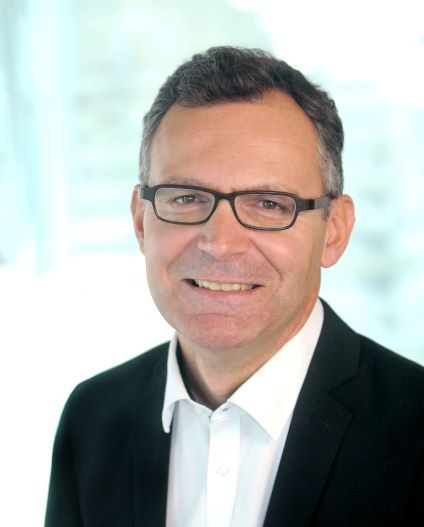
Dr. Attila Pausits is Full Professor and Head of the Department for Higher Education Research at the University for Continuing Education Krems, Austria. He is Academic Director of the Erasmus Mundus Joint Master Programme Research and Innovation in Higher Education and spokesperson of the Austrian Higher Education Researchers Network, and he serves as Editor-in-Chief of the Zeitschrift für Hochschulentwicklung (Journal for Higher Education Development).
He has led numerous European and national projects and has advised organisations including the European Commission, quality assurance agencies and ministries, supporting higher education development at macro, meso and micro levels. His work focuses on higher education governance and organisational development, the third mission, and lifelong learning—particularly how evidence and evaluation can strengthen institutional credibility.
He has led numerous European and national projects and has advised organisations including the European Commission, quality assurance agencies and ministries, supporting higher education development at macro, meso and micro levels. His work focuses on higher education governance and organisational development, the third mission, and lifelong learning—particularly how evidence and evaluation can strengthen institutional credibility.