
Quality Education' and sustainable approaches to learning and teaching
By Mark O’Hara
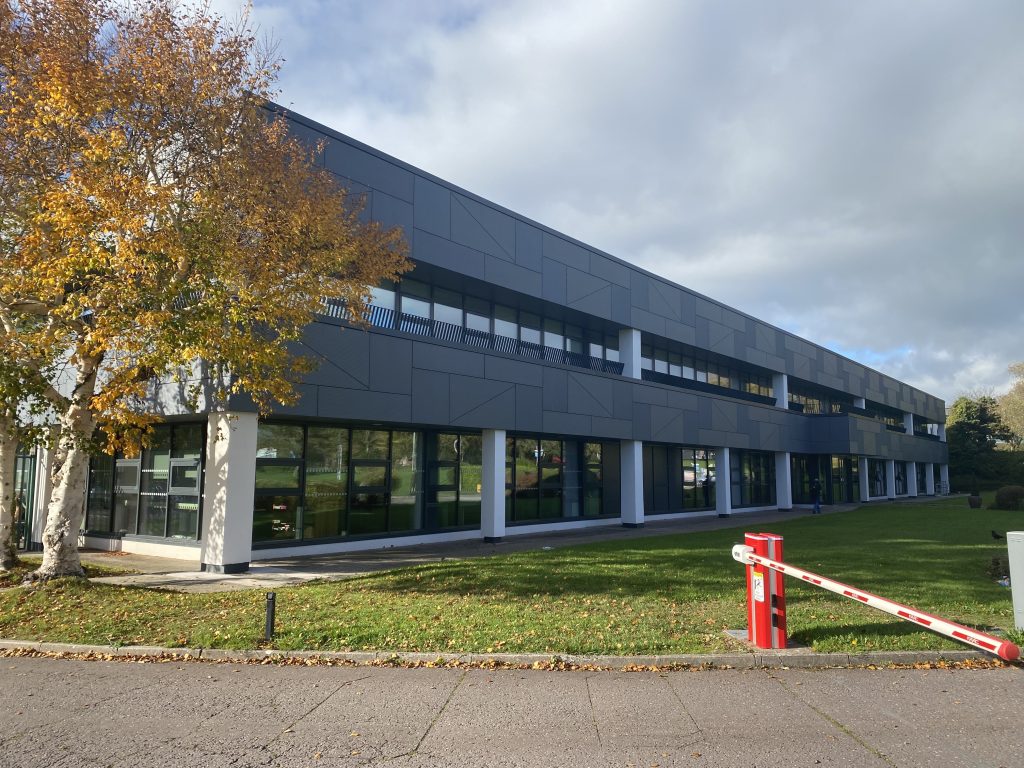
The last two days have been spent at the GET-AHED Conference in the Clean Technology Centre at Munster Technological University in Cork, Ireland. GET-AHED stands for Green Education and Transition: A Higher Education online Digital buddy. The conference was the culmination of two years of collaborative work involving a number of European HEIs. This Erasmus-funded project will provide Higher Education institutions across the EU with a range of online tools, guidance and support as they seek to implement the EU’s Green Transition priorities. The platform’s resources will be a valuable resource for institutions involved in designing, implementing and monitoring their sustainability plans; it offers support for HE leaders and managers in embedding sustainability into all aspects of an institution’s operations; and it will support staff and student involvement in sustainability initiatives both internally and externally.
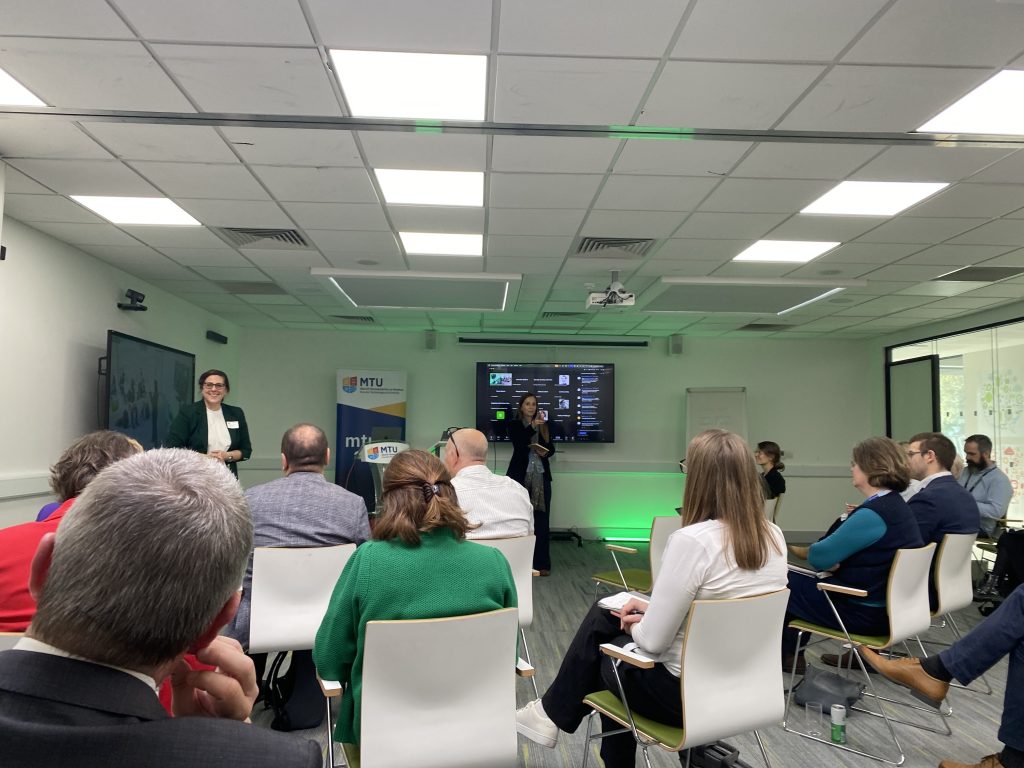
I was there to deliver one of the Keynote addresses and it was a wonderful opportunity to do two things:
The first was to share some of the key lessons contained in the EAIR publication ‘Transcending boundaries for a sustainable future of higher education’. The book draws on papers delivered at the EAIR Annual Forum held at University College Cork in 2024. Its key themes and ideas revolve around the role of higher education institutions (HEIs) in addressing global sustainability challenges, particularly through collaborative, transdisciplinary approaches aligned with the United Nations Sustainable Development Goals (SDGs). As the world faces critical interrelated problems like climate change, inequality and resource depletion, HEIs are increasingly expected to contribute to societal transformation through education, research and community engagement.
The second opportunity was the chance to catch up (in-person for once) with old colleagues and meet new ones interested in sustainable practices in HE and to hear about some fabulous initiatives both in Ireland and elsewhere in the EU. It was a great to engage in discussions about two topics dear to my heart concerning sustainable learning and teaching: effective approaches to student enablement and agency and the co-requisite challenge of developing impactful approaches to staff development. I will certainly be reaching out to some of the contacts I’ve made in the last 48 hours when Advance-HE launches its ‘Elevate Ireland’ programme this autumn!
In closing, I invited all attendees to the upcoming EAIR Forum, which will be held in Vilnius, Lithuania, from August 26th to 28th, 2026.