News & Updates

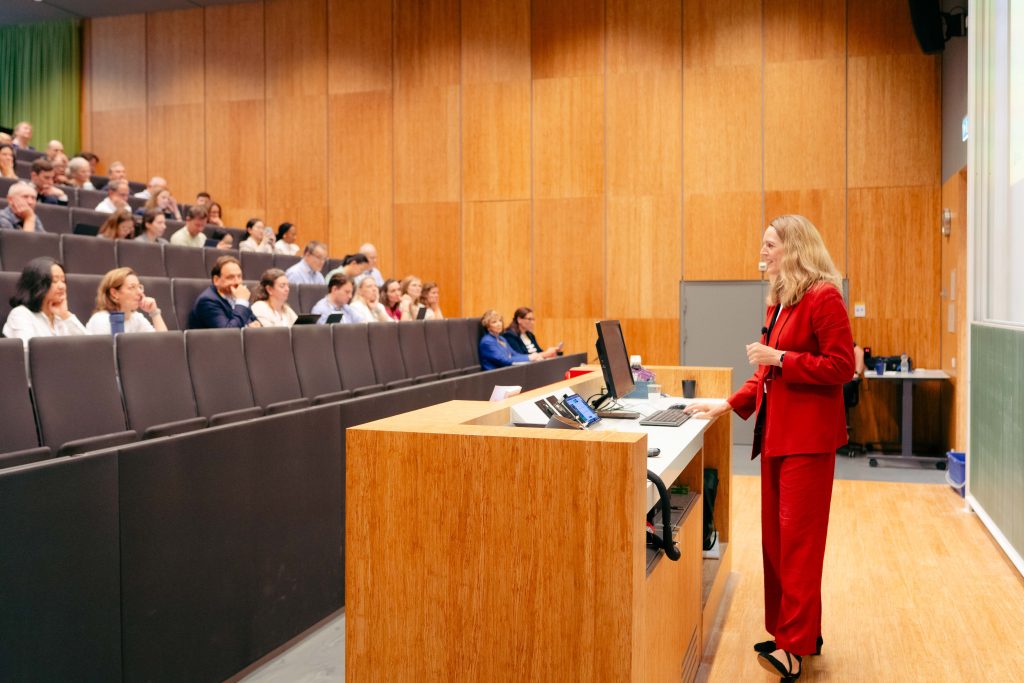
Credits: Felix Schmale/TU Dortmund

news

11 Dec 2025

Welcome Message from EAIR’s New President
Prof. Liudvika Leišytė

Credits: Felix Schmale/TU Dortmund

Dear EAIR Members,

It is a great honour and joy to greet you for the first time as the new President of EAIR. Since its foundation in 1979, EAIR has grown into a vibrant international community where researchers, practitioners, and policymakers come together to connect research, policy, and practice in higher education.

I would like to thank you, our members, for your continued engagement and contributions — you are at the heart of EAIR. I also want to warmly thank the members of the Executive Committee for their tireless work, and I look forward to being in close contact with them as we continue to guide and strengthen our association together.

Allow me also to share a few words about myself. I am Professor of Higher Education and Deputy Director at the Center for Higher Education (zhb) at TU Dortmund University. I hold a PhD in Public Administration from the University of Twente, where I continue as a visiting senior scholar. Over the years, I have been privileged to work on numerous international and national research projects on changing university governance, management, interdisciplinarity, quality assurance, evaluation, and digitalization in higher education. My work has been published in leading international journals, and my latest book University Governance, Management and the Academic Profession was published by Springer in 2025. I have also had the pleasure of teaching and conducting research abroad, including at Harvard University, Nagoya University, and Sciences Po.

Looking ahead, I am eager to foster EAIR’s unique collaborative spirit while opening new pathways for dialogue, inclusivity, and innovation. Higher education faces many challenges — from digital transformation to academic freedom — and I believe EAIR is well placed to address these together.

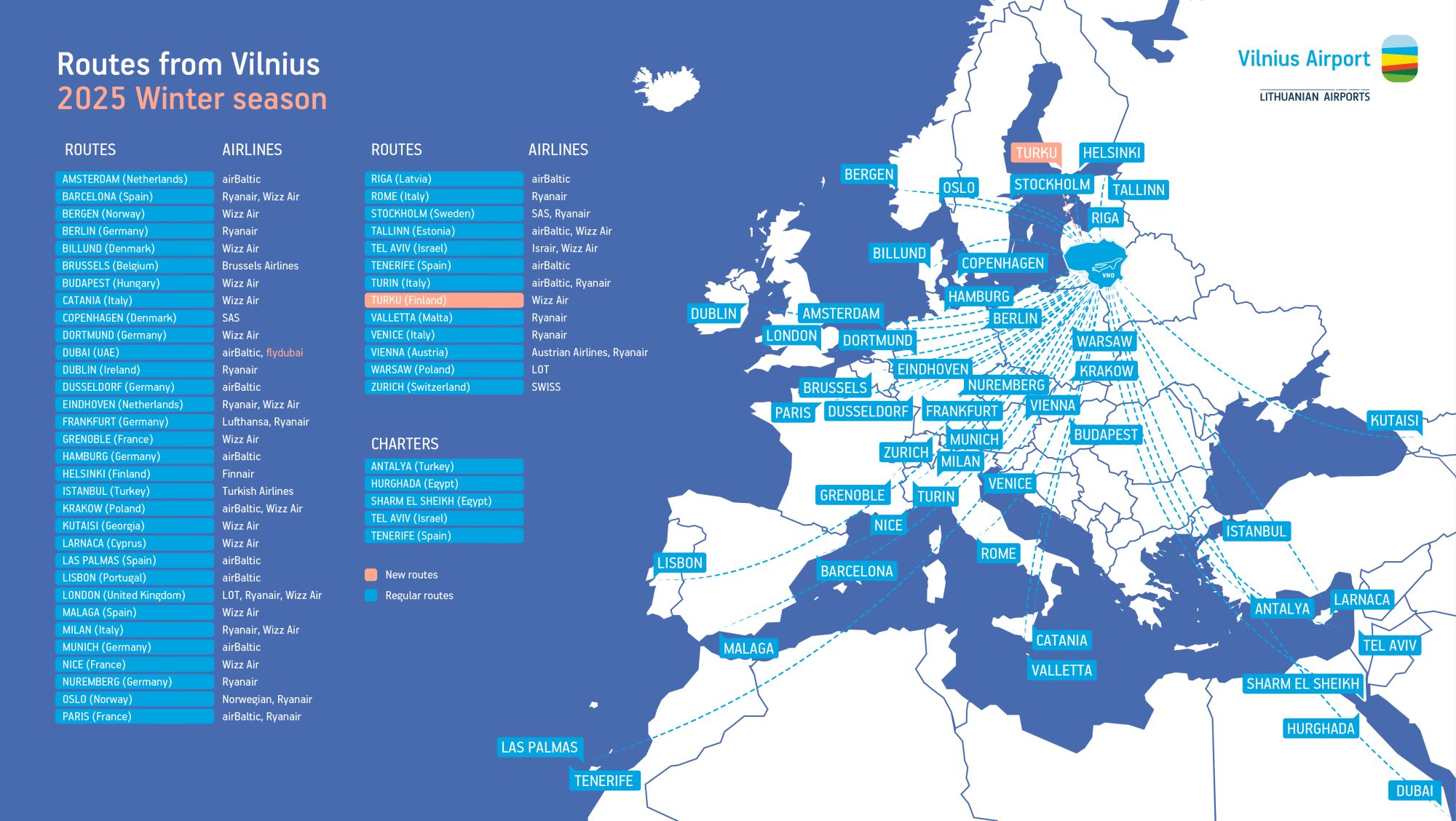
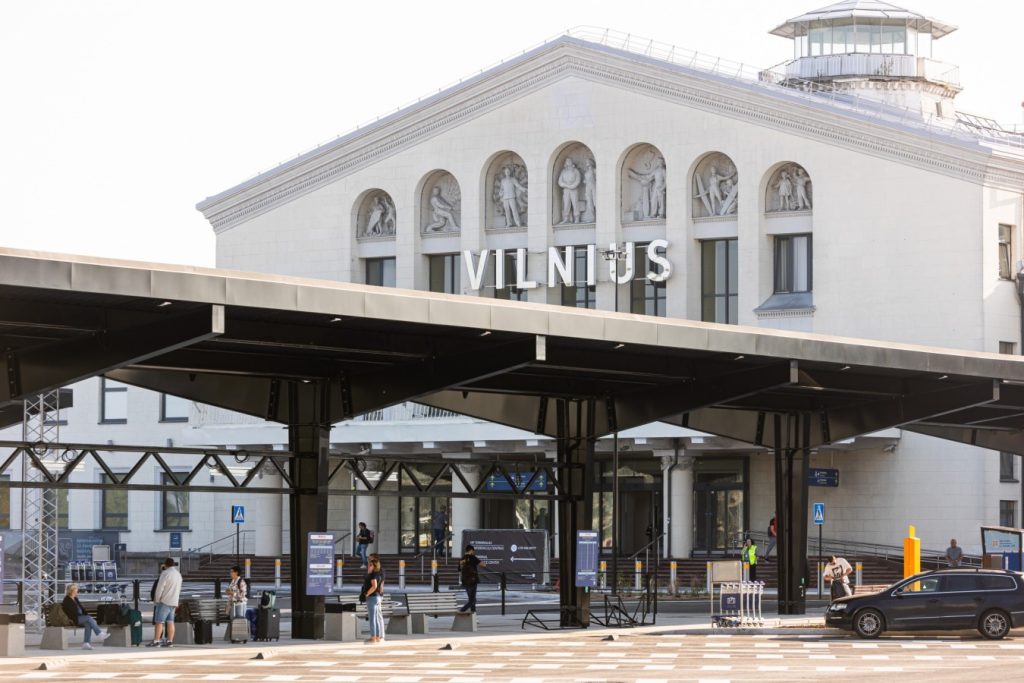
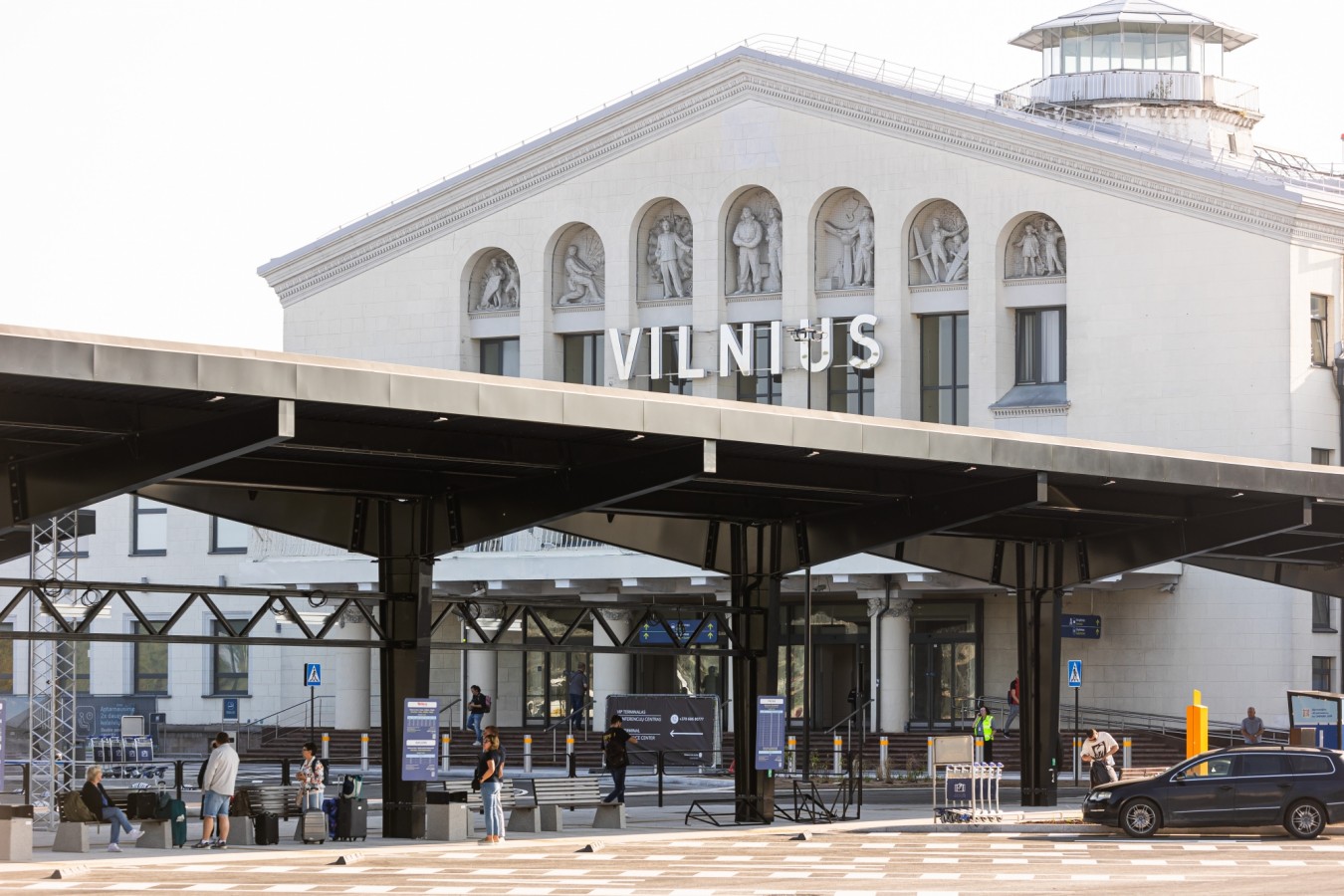
I warmly invite you to remain active in our Forums and I look forward to meeting many of you at the EAIR Forum 2026 from August 27th to August 29th in Vilnius University in Lithuania.

With warm regards,
Liudvika Leišytė
President of EAIR

Dear EAIR Members, It is a great honour and joy to greet you for the first time as the new President of EAIR. Since its foundation in 1979, EAIR has grown into a vibrant international community where researchers, practitioners, and policymakers come together to connect research, policy, and practice in higher education. I would like to thank you, our members, for your continued engagement and contributions — you are at the heart of EAIR. I also want to warmly thank the members of the Executive Committee for their tireless work, and I look forward to being in close contact with them as we continue to guide and strengthen our association together.

Continue reading

news

4 Dec 2025

48th EAIR Annual Forum | Call for papers 2026

Strengthening trust between higher education and society

Higher education institutions have a symbiotic relationship with the societies they serve, be they local or global. In recent years, this relationship has encountered challenges on both sides (Berman & Paradeise, 2016). Major global concerns, armed conflicts, disinformation campaigns, all compound to erode the notion of truth and the precedence of facts and increasingly question the worth in and of higher education. The allure of simple answers to complex questions serves to undermine trust in and legitimacy of academia at large.

Higher education institutions, preoccupied with rankings, funding cuts, and multiple competitions (Krücken, 2021), struggle to counter these forces and meet the growing need to broaden the inclusion of diverse forms and actors for co-creation of knowledge (Mergner, Leišytė & Bosse, 2019). The sense of crisis of higher education threatens the dialogue between higher education and society. New models of higher education responsible governance, inclusion of stakeholder interests and building trust through dialogue and recognition are paramount more than ever before (Lamont, 2023).

The 48th EAIR Forum invites analyses of the current state of higher education and discussions on future possibilities and avenues for growth and transformative change. 

Track details

Track 1. Teaching, learning and student experience

How to foster a deeper connection between higher education and students as members of society? How can trust be nurtured between different stakeholders in higher education in the context of the growing role of AI, social media, and fake news? How to pursue an inclusive approach and engage students in current affairs and simultaneously maintain deep roots in pursuit of universal knowledge? How to support diverse students during their academic experience?

Track 2. Governance and management

How can institutional autonomy be upheld in a world in which universities are labelled enemies and pushed into deal-making and the core values of universities are under strain? What responsible governance models foster dialogue and trust within higher education institutions, as well as higher education and society? What challenges are university leaders facing in upholding and defending their mission to serve the society and how can they address these? What is the role of intermediary agencies in building or dismantling trust in higher education?

Track 3. Engagement and partnerships in higher education

What connections exist and can be built among higher education institutions and between higher education institutions and external stakeholders? What are the main drivers of partnerships that build communities within and beyond the national higher education contexts? What are the pathways to strengthen trust and foster deeper engagement between higher education and society?

Track 4. Academic profession and professional development

What transformations of the academic profession can be observed both locally and globally? How do these transformations influence academics’ trust in their own profession and what role does professional development play in this regard? How does the changing nature of academic work impact the research–teaching nexus, faculty well-being, connection to society, work pressure, diversity, and professional autonomy? What policies and practices promote trust between the academic profession and society?

Track 5. Research policy

How do the current geopolitical and technological challenges impact the research conducted in higher education as well as interactions within the scientific community? What kind of ethical concerns do higher education institutions and academics need to consider in response to these challenges? What are the challenges and opportunities brought on by the use of AI in research? How are the emerging approaches to academic recognition and reward (DORA and CoARA) changing the future of research and higher education?

Track 6. Evaluation in higher education

How is value redefined in the context of decreasing trust in higher education? How does recognition work in higher education today? How are evaluation regimes constructed in different higher education systems and what implications they have for the quality and the sense of worth of academics and students? What actors are included and excluded in the construction and enactment of evaluation regimes? Which purposes do quality assurance policies and practices in higher education serve and how does this influence trust in higher education?

This event is partially funded under Research Project No. P-EDU-23-27, co-funded by the European Union through the “Breakthrough in Educational Research” project (No. 10-044-P-0001), in cooperation with the Research Council of Lithuania and Vilnius University.

Strengthening trust between higher

education and society Higher education institutions have a symbiotic relationship with the societies they serve, be they local or global. In recent years, this relationship has encountered challenges on both sides (Berman & Paradeise, 2016). Major global concerns, armed conflicts, disinformation campaigns, all compound to erode the notion of truth and the precedence of facts and increasingly question the worth in and of higher education. The allure of simple answers to complex questions serves to undermine trust in and legitimacy of academia at large.

See details | Check agenda

news

29 Oct 2025

Quality Education' and sustainable approaches to learning and teaching

By Mark O’Hara

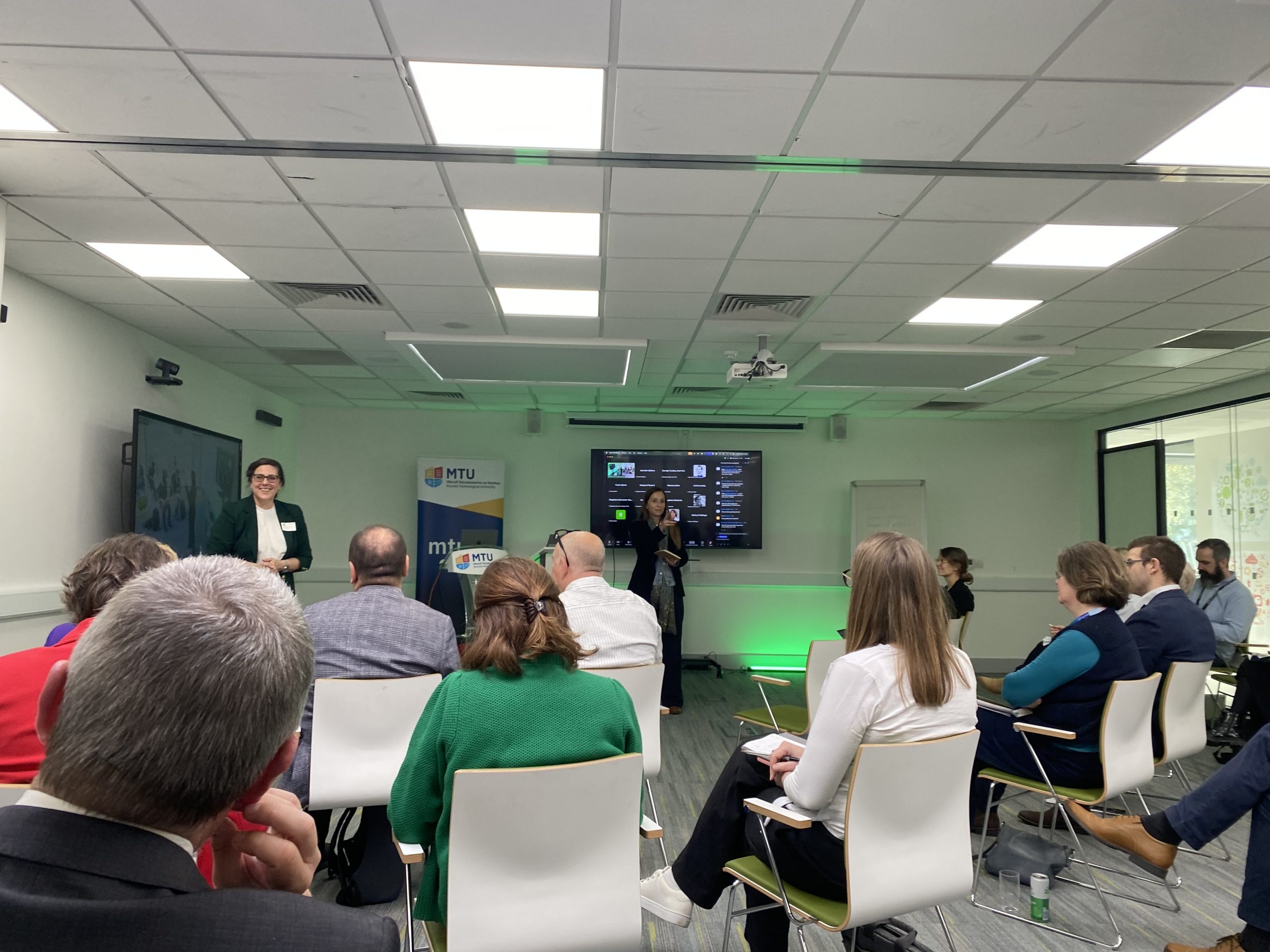
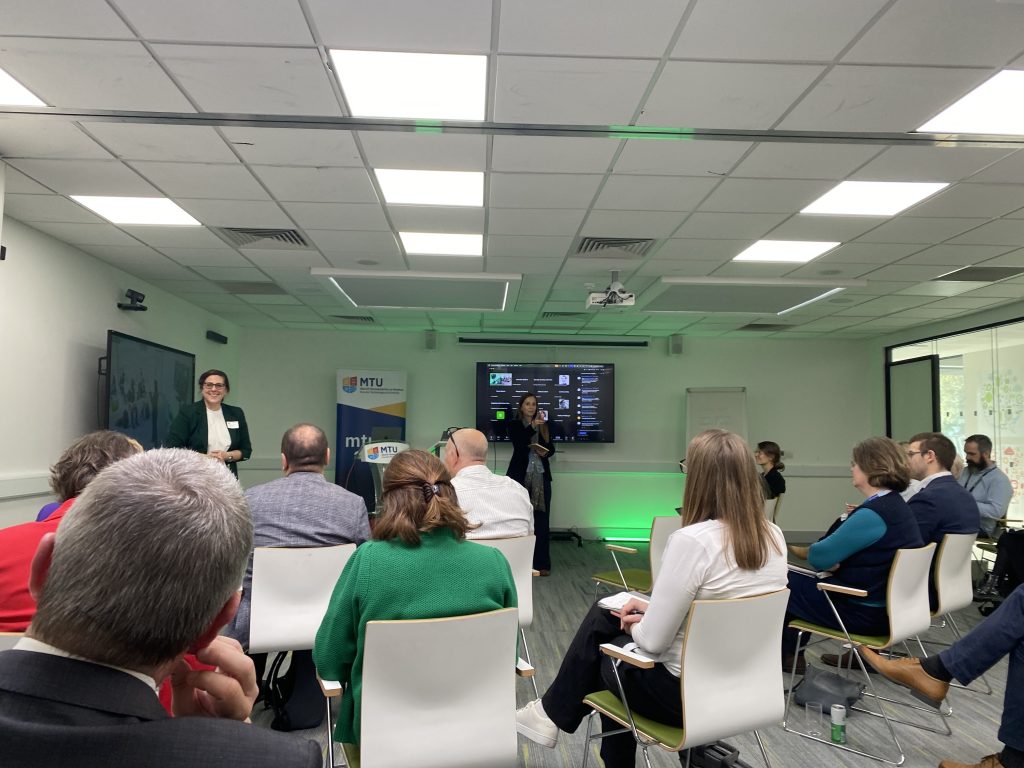
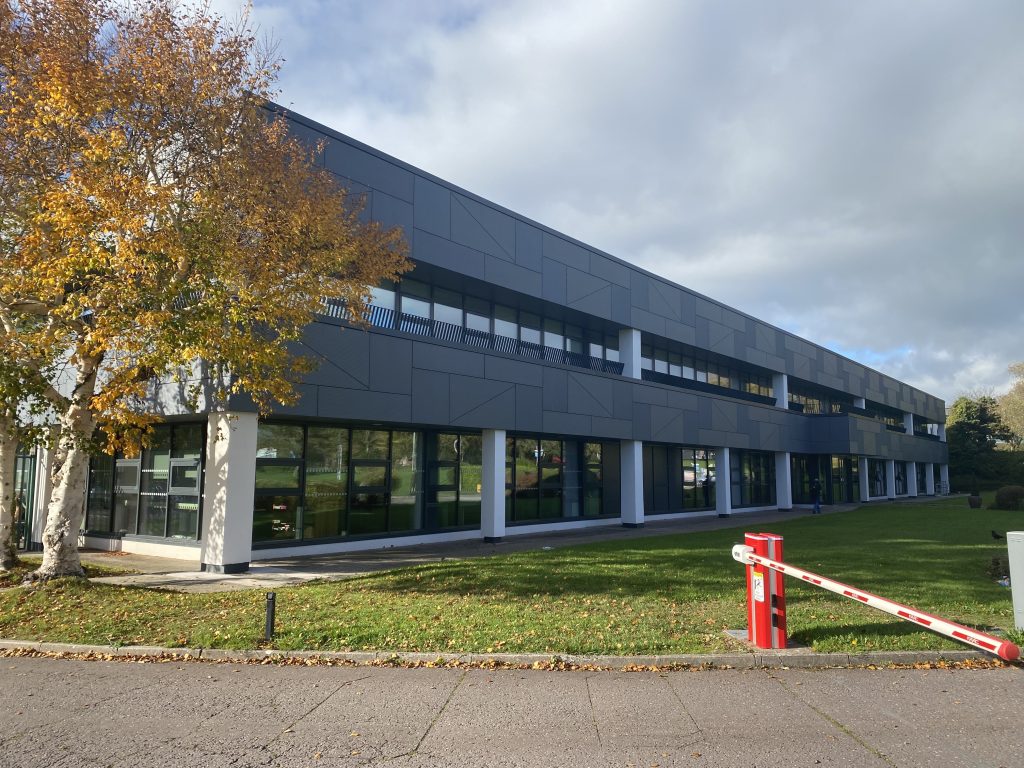
The last two days have been spent at the GET-AHED Conference in the Clean Technology Centre at Munster Technological University in Cork, Ireland. GET-AHED stands for Green Education and Transition: A Higher Education online Digital buddy. The conference was the culmination of two years of collaborative work involving a number of European HEIs. This Erasmus-funded project will provide Higher Education institutions across the EU with a range of online tools, guidance and support as they seek to implement the EU’s Green Transition priorities. The platform’s resources will be a valuable resource for institutions involved in designing, implementing and monitoring their sustainability plans; it offers support for HE leaders and managers in embedding sustainability into all aspects of an institution’s operations; and it will support staff and student involvement in sustainability initiatives both internally and externally.

I was there to deliver one of the Keynote addresses and it was a wonderful opportunity to do two things:

The first was to share some of the key lessons contained in the EAIR publication ‘Transcending boundaries for a sustainable future of higher education’. The book draws on papers delivered at the EAIR Annual Forum held at University College Cork in 2024. Its key themes and ideas revolve around the role of higher education institutions (HEIs) in addressing global sustainability challenges, particularly through collaborative, transdisciplinary approaches aligned with the United Nations Sustainable Development Goals (SDGs). As the world faces critical interrelated problems like climate change, inequality and resource depletion, HEIs are increasingly expected to contribute to societal transformation through education, research and community engagement.

The second opportunity was the chance to catch up (in-person for once) with old colleagues and meet new ones interested in sustainable practices in HE and to hear about some fabulous initiatives both in Ireland and elsewhere in the EU. It was a great to engage in discussions about two topics dear to my heart concerning sustainable learning and teaching: effective approaches to student enablement and agency and the co-requisite challenge of developing impactful approaches to staff development. I will certainly be reaching out to some of the contacts I’ve made in the last 48 hours when Advance-HE launches its ‘Elevate Ireland’ programme this autumn!

In closing, I invited all attendees to the upcoming EAIR Forum, which will be held in Vilnius, Lithuania, from August 26th to 28th, 2026.

By Mark O’Hara

The last two days have been spent at the GET-AHED Conference in the Clean Technology Centre at Munster Technological University in Cork, Ireland. GET-AHED stands for Green Education and Transition: A Higher Education online Digital buddy. The conference was the culmination of two years of collaborative work involving a number of European HEIs.

news

6 Oct 2025

A Mission Challenged: The 47th EAIR Forum Fosters Vital Dialogue on Openness in Utrecht

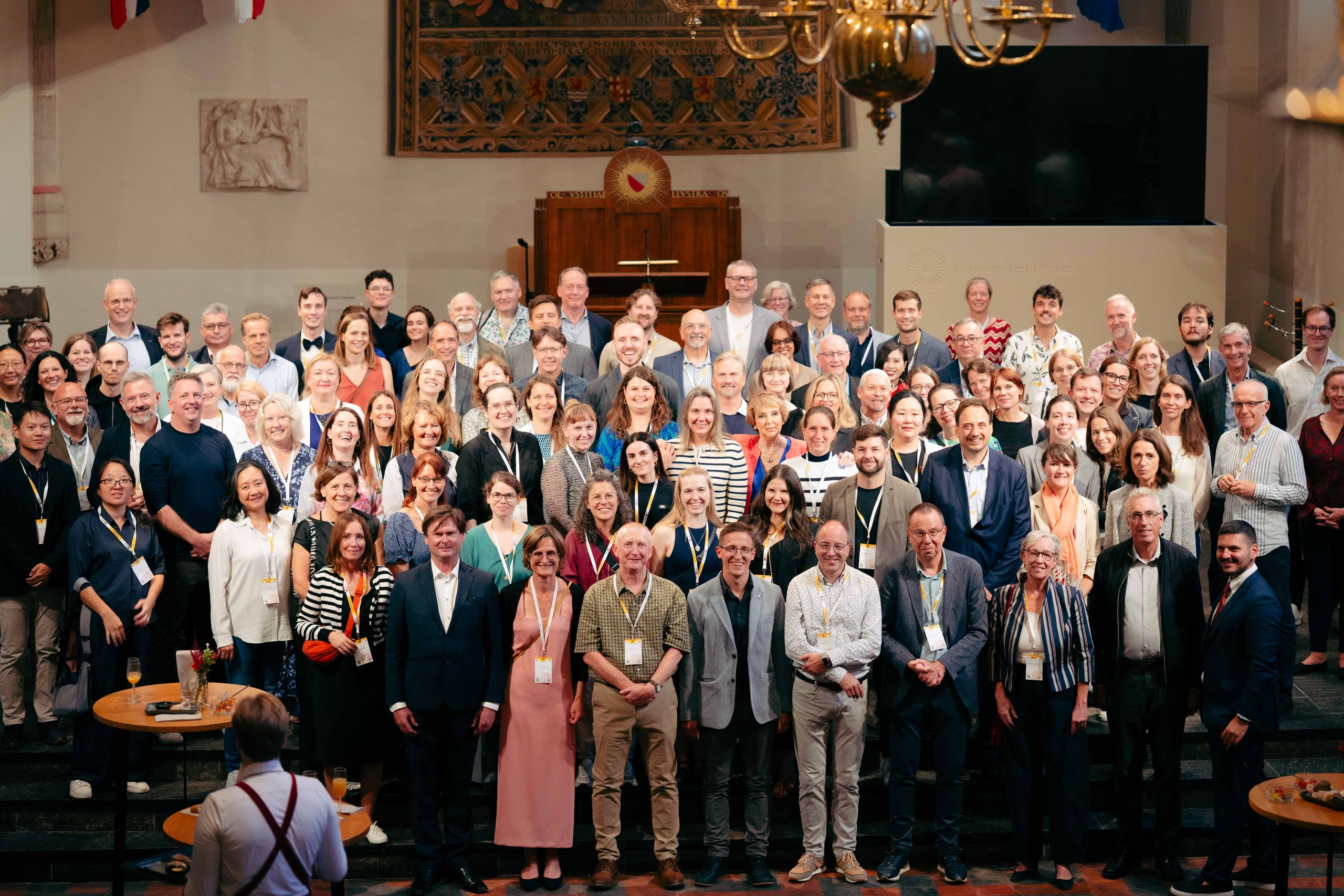
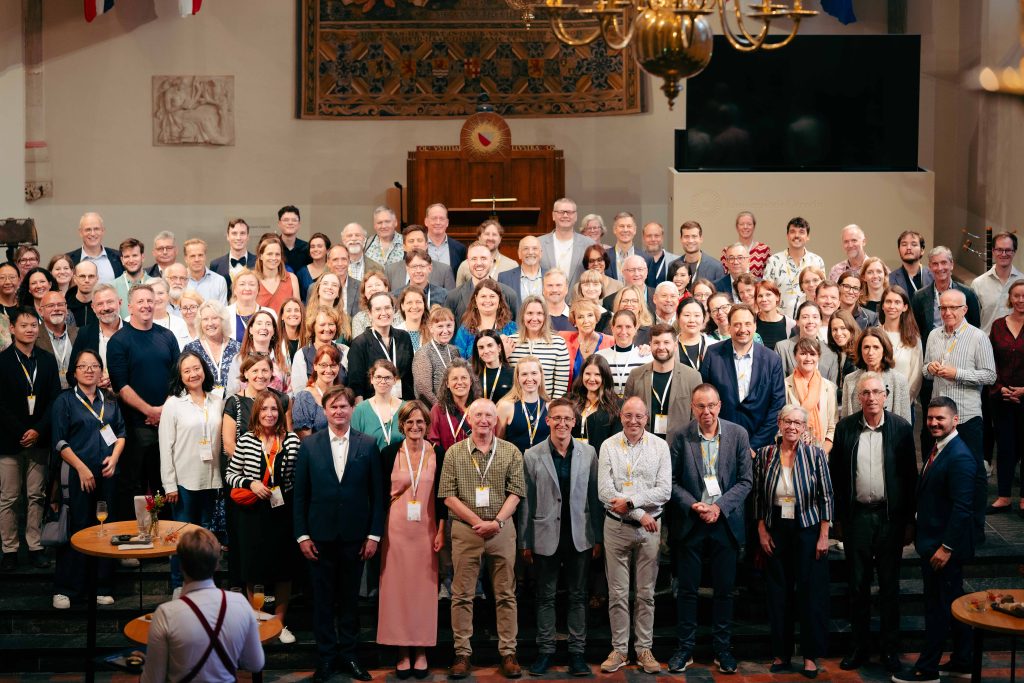
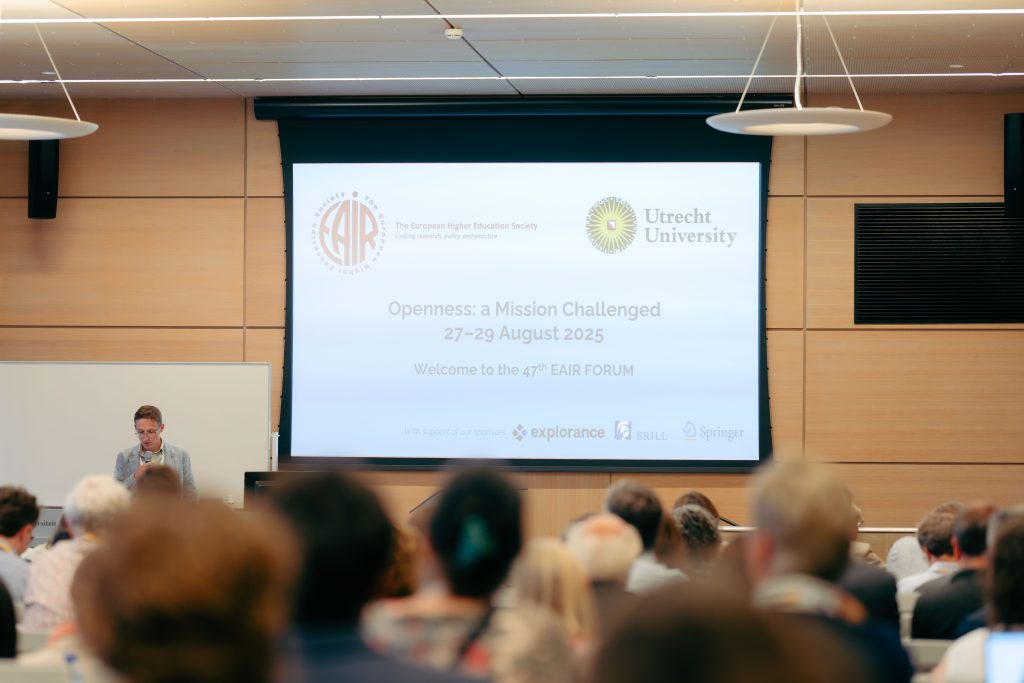
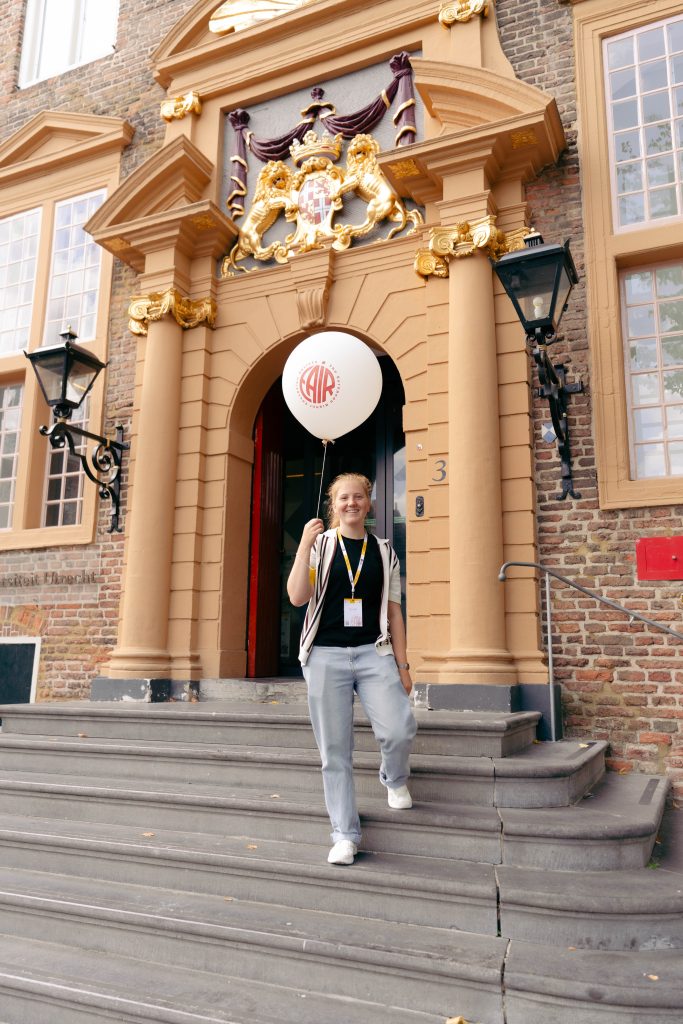
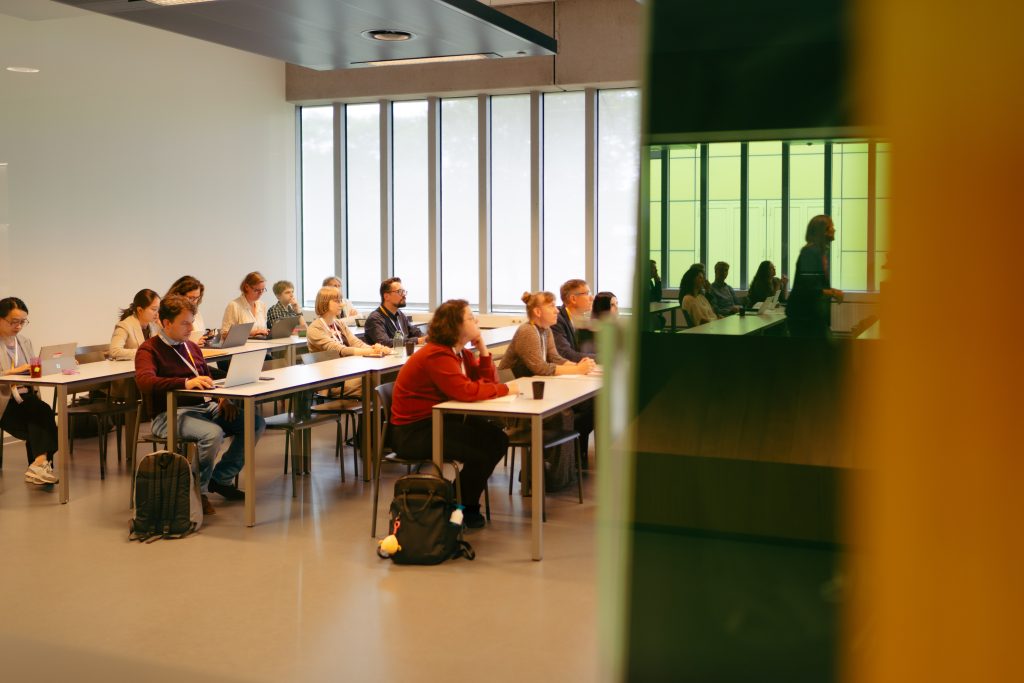
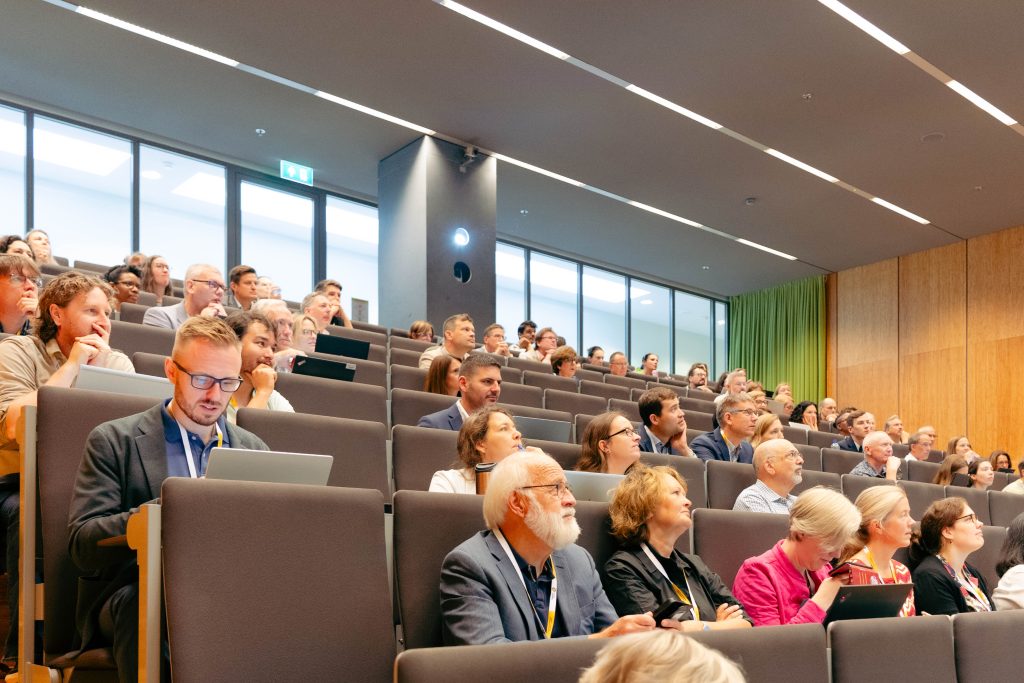
The 47th Annual Forum of the European Higher Education Society (EAIR) successfully convened from 27th to 29th August 2025 at Utrecht University. Under the  theme, “Openness: a Mission Challenged,” the event brought together scholars, practitioners, and leaders to critically examine the pressures facing open systems in academia.

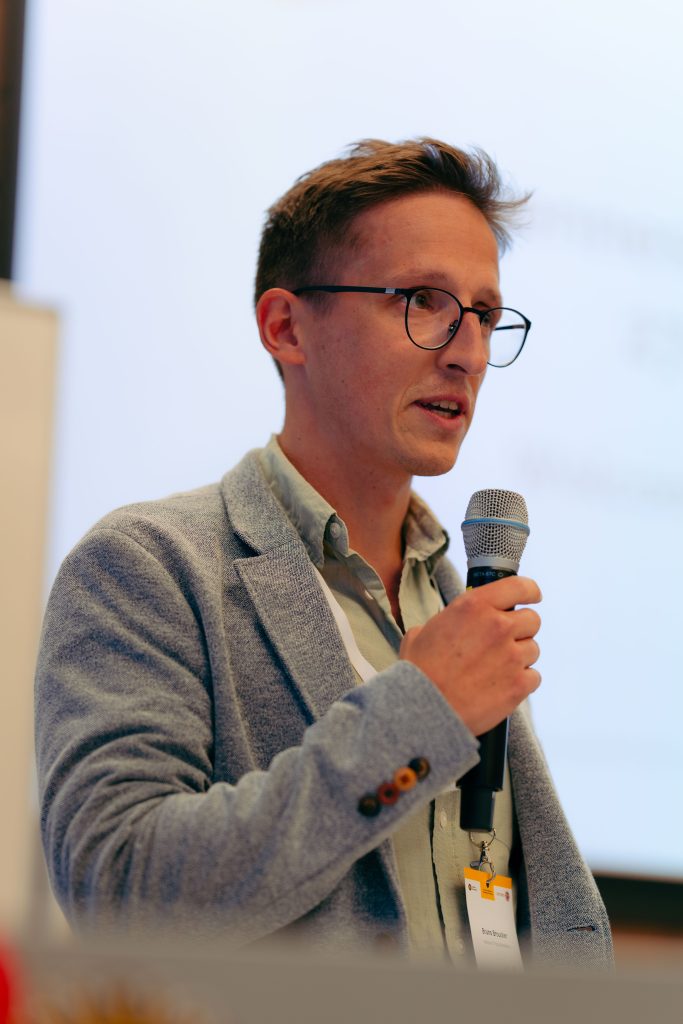
The forum opened with a welcome from EAIR Chair, Dr. Bruno Broucker, setting the stage for three days of rich dialogue. The programme was built around insightful keynote lectures, vibrant parallel sessions, and numerous opportunities for networking, all dedicated to exploring the challenges and future of openness in higher education and research.

Day 1: Setting the Stage with AI and New Leadership

The first day was ignited by an opening keynote from Prof. Benedetto Lepori, who provided valuable insights into the evolving landscape of generative AI and its profound implications for higher education institutions. A significant milestone followed with the announcement that Prof. Dr. Liudvika Leišytė was appointed as the new President of EAIR for the next three-year term. The afternoon featured a range of stimulating workshops, fostering early exchange and collaboration, before the day concluded with a Welcome Reception where colleagues reconnected and new networks were established.

Day 1 Photo Album

Day 2: Delving into Open Science and Celebrating Community

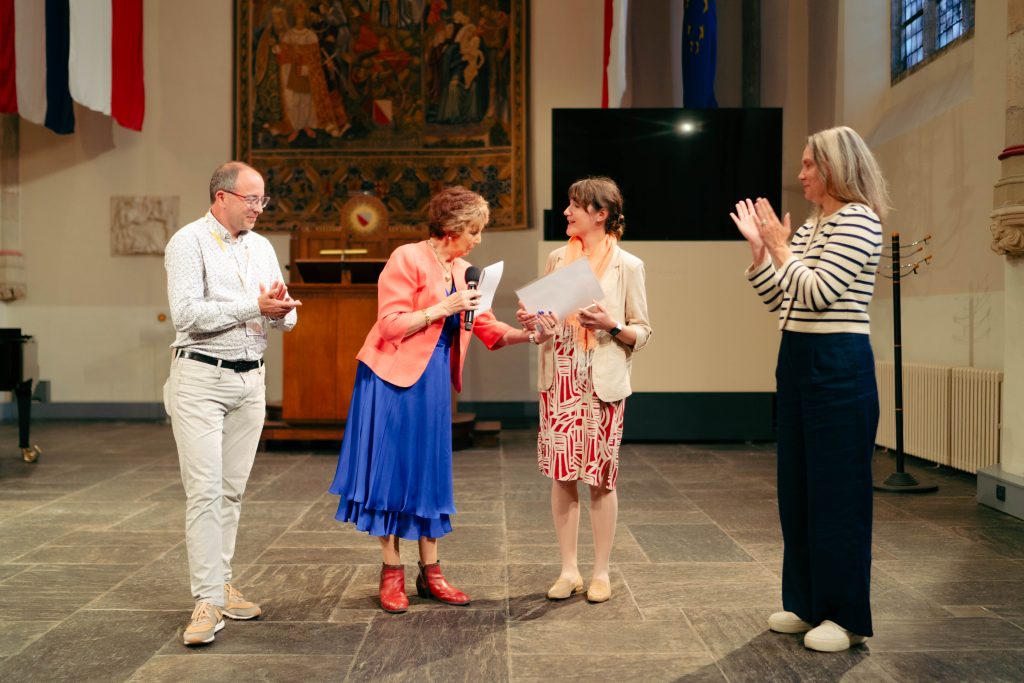
The second day began with an inspiring keynote by the Vice Rector of Utrecht University Prof.Dr. Manon Kluijtmans, who shared valuable perspectives on how the principles of Open Science and Education are actively shaping the future of academia. The day continued with engaging presentations by members across diverse parallel tracks, showcasing cutting-edge research and stimulating thoughtful discussions. A highlight of the forum was the conference dinner, held in the magnificent Aula Senate Hall of Utrecht University. The evening was made unforgettable by an outstanding performance from Dekoor Close Harmony. A special congratulations was extended to Ana Godonoga, PhD, who received this year’s EAIR Outstanding Paper Award for her study, “Embedding societal impact into education, research and service: The case of business schools.”

Day 2 – Photo Gallery

Day 3: Confronting Threats and Looking Forward

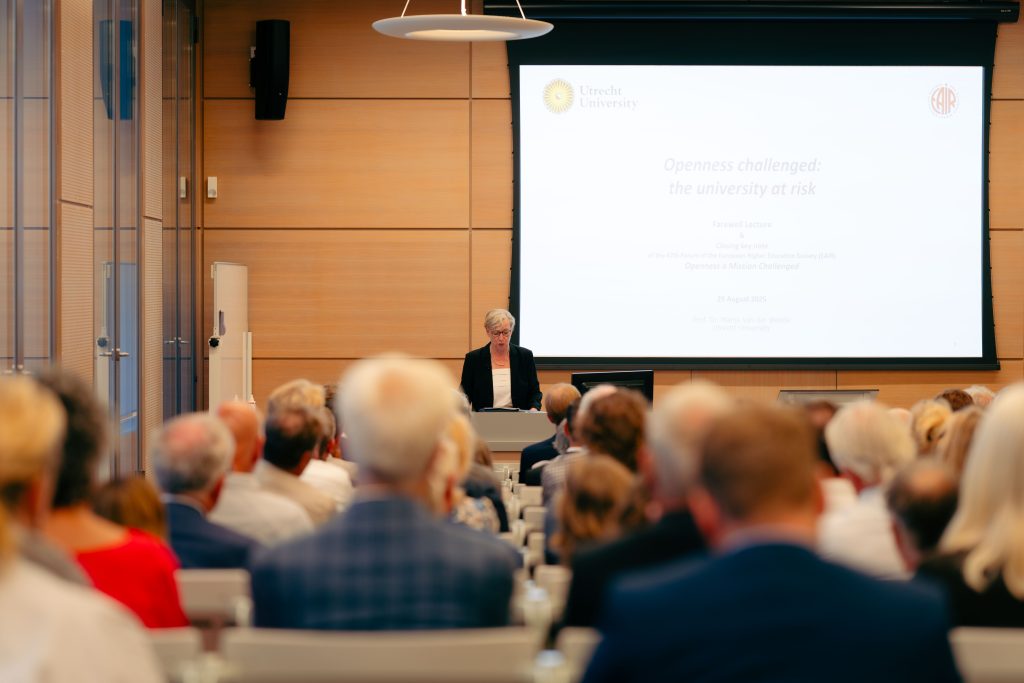
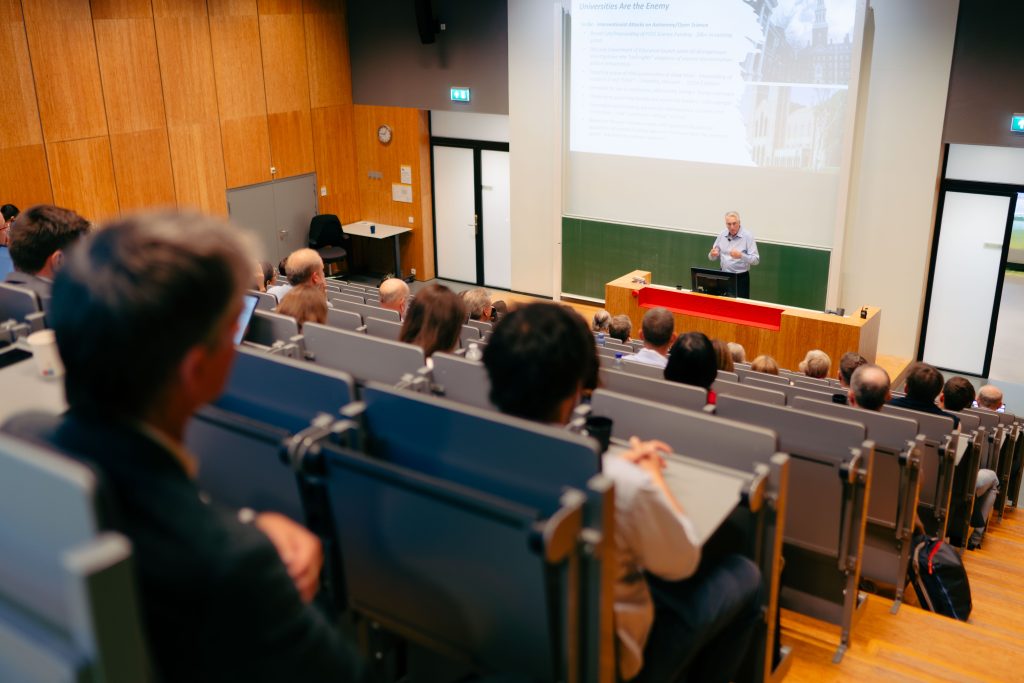
The final day commenced with a thought-provoking keynote from Dr. John Aubrey Douglass, titled “Universities as the enemy: How Rhetorics and Politics are Eroding Open Science.” His address directly confronted the political challenges to academic openness, setting a powerful tone for the day’s concluding sessions. After a final series of member presentations, the forum concluded with a forward-looking keynote by Professor and EAIR President, Marijk van der Wende. Her address, “Openness Challenged: The University at Risk,” served as a poignant reminder of the university’s crucial role in society and the collective responsibility to safeguard its open mission.

Day 3 – Photo Gallery

Celebrating Excellence

The 47th EAIR Forum proved to be a vital platform for confronting the complex challenges to openness. The discussions in Utrecht have undoubtedly provided a strong foundation for the continued work of the society and its members in defending and redefining this core academic mission. We look forward to welcoming you during the 48th EAIR Annual Forum taking place at Vilnius University from the 26th to the 28th of August 2026.

The 47th Annual Forum of the European Higher Education Society (EAIR) successfully convened from 27th to 29th August 2025 at Utrecht University. Under the theme, “Openness: a Mission Challenged,” the event brought together scholars, practitioners, and leaders to critically examine the pressures facing open systems in academia.

news

3 Sep 2025

Call for book chapter proposals

Authors who submitted a proposal to the EAIR Forum 2025 are cordially invited to submit their proposal as a contribution to the seventh book volume that will be published in July 2026. The theme of the book will be in line with the theme of the forum: “Openness: a Mission Challenged”.

Book chapter proposals can be sent by e-mail to our volume Editor-in-Chief Jannica Budde ([email protected]) before September 12th, 2025. For the book chapter proposal, the initial abstract proposal to EAIR will suffice. Be aware that the editorial team will have to be selective about the chapters that will be included in the volume, and that all chapters will be peer reviewed. Authors will be notified about the decision of the editorial team at the end of September.

Call for book chapter proposals

Authors who submitted a proposal to the EAIR Forum 2025 are cordially invited to submit their proposal as a contribution to the seventh book volume that will be published in July 2026. The theme of the book will be in line with the theme of the forum: “Openness: a Mission Challenged”.

Book chapter proposals can be sent by e-mail to our volume Editor-in-Chief Jannica Budde ([email protected]) before September 12th, 2025. For the book chapter proposal, the initial abstract proposal to EAIR will suffice. Be aware that the editorial team will have to be selective about the chapters that will be included in the volume, and that all chapters will be peer reviewed. Authors will be notified about the decision of the editorial team at the end of September.

news

1 Apr 2025

Registrations Now Open for the 47th EAIR Forum in Utrecht

We are pleased to announce that registrations are now open for the 47th EAIR – The European Higher Education Society Forum, taking place from 27–29 August 2025 at Utrecht University, Netherlands. The tentative programme for the Forum is now available, allowing you to start planning your trip, booking tickets, and organizing your schedules. This year’s Annual Forum will feature in-depth discussions on higher education policy, management, and research, bringing together leading scholars, policymakers, and professionals from across the world.

To ensure a comfortable and convenient stay for all participants, hotel accommodations have been secured. Utrecht is a vibrant and popular destination, but accommodation options can be limited, so early booking is advised. The conference sessions will take place at Utrecht Science Park, while social activities will be hosted in the city centre, both easily accessible from each other.

For more details, including registration fees and hotel booking options, please follow the links below:

Registration: https://www.conftool.com/eair2025/

Annual Forum Fees: https://the-eair.org/fees/

Tentative Programme: https://the-eair.org/programme/

Hotel Booking and Availability: https://the-eair.org/accommodation/

We are pleased to announce that registrations are now open for the 47th EAIR – The European Higher Education Society Forum, taking place from 27–29 August 2025 at Utrecht University, Netherlands. The tentative programme for the Forum is now available, allowing you to start planning your trip, booking tickets, and organizing your schedules. This year’s Annual Forum will feature in-depth discussions on higher education policy, management, and research, bringing together leading scholars, policymakers, and professionals from across the world.
Scroll to Top